The Decoder / One term

What does “open weights” mean?

Open weights means the trained model file is published for anyone to download and run; it does not mean the training data or the full recipe were published, which is what open source would require.

By Mstimaj Numbers checked 30 September 2026 Updated 30 September 2026 Level Technical Tool DeepSeek

Sign in to save your place and mark this done. Free, no card.

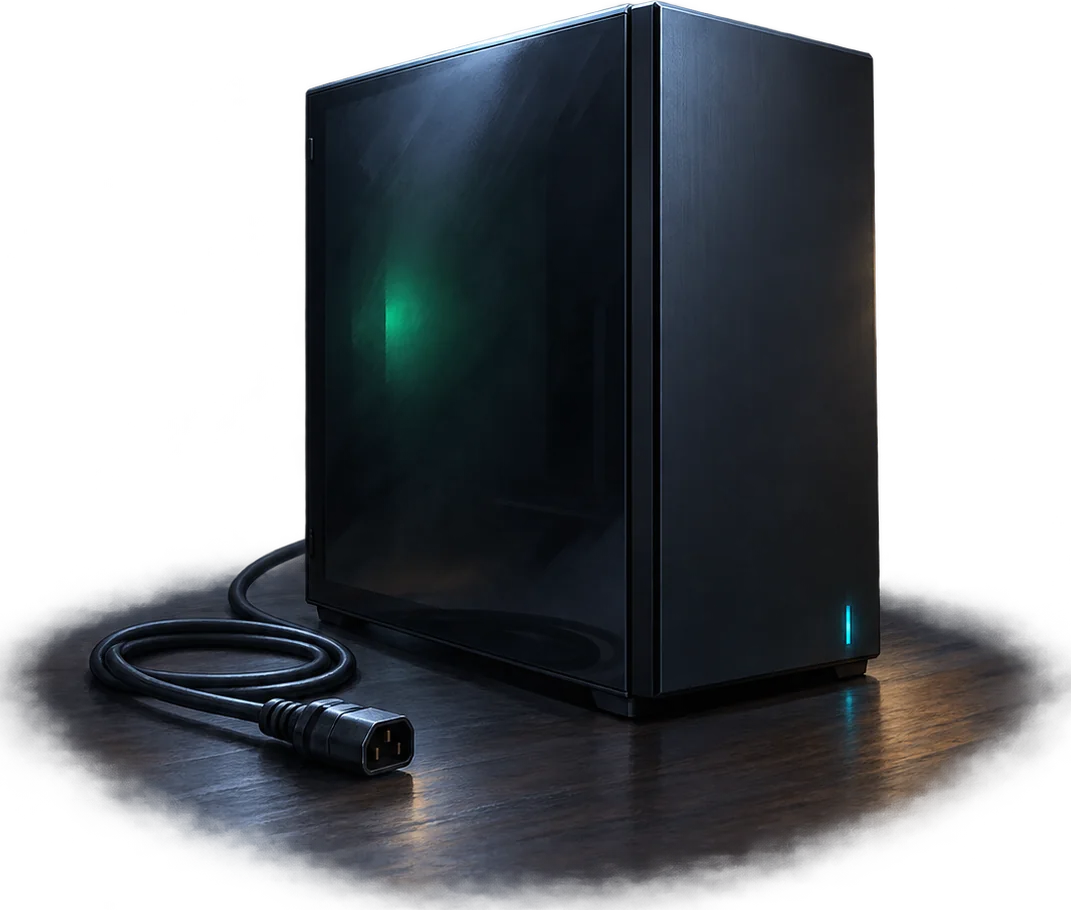
A finished cake under a glass dome on a dark counter, and beside it a closed recipe book with a small padlock

The weights are the finished model: the billions of numbers that came out of training. A vendor that releases them lets you download the model, run it on your own machine, and often build products on it. That is real and useful. It is still not open source in the strict sense, because you cannot see what the model was trained on or reproduce the training. You get the cake, not the recipe.

Key facts

  • 3things the Open Source Initiative requires for open source AI: data information, training code, and the weights
  • 1of those three that most open weight releases provide
  • Oct 2024the OSI published its Open Source AI Definition 1.0
  • 700Mmonthly users above which Meta's Llama licence requires a separate deal, the clearest example of a restriction
  • Open Source Initiative, Open Source AI Definition 1.0; Meta Llama 4 Community License; DeepSeek, Qwen and Mistral model cards on Hugging Face; Google Gemma Terms of Use; checked 30 September 2026

Open weights vs open source: what is the difference?

The Open Source Initiative, which has defined open source software since 1998, published a definition for AI in October 2024. To qualify, a release has to give you three things under open terms: enough information about the training data for a skilled person to build a substantially equivalent system, the complete code used to train and run it, and the weights themselves. Nearly every popular free model gives you the third. Very few give you the first. So the accurate term for Llama, Gemma, DeepSeek and the rest is open weights, whatever the marketing says, and the difference matters if you care about what the model learned from.

What each popular free model actually gives you
Model Licence Weights Training data disclosed Commercial use
DeepSeek R1, V3.1 MIT Yes No Yes, no conditions
Qwen 3 Apache 2.0 Yes No Yes, no conditions
Mistral 7B Apache 2.0 Yes No Yes, no conditions
Llama 4 Meta community licence Yes No Yes, with attribution and the 700M user clause
Gemma 3 Google terms of use Yes No Yes, with a prohibited use policy
OSI requirements met, out of 3 OSI REQUIREMENTS MET, OUT OF 3 Fully open source AI (OSI definition) 3 of 3 Typical open weights release 1 of 3 Closed model (ChatGPT, Claude, Gemini) 0 of 3
Data information, training code, weights. Open weight releases meet the last one; the first is the one the industry keeps.

Is Llama free to use?

Free to download and to use in a business, yes, under Meta’s own licence rather than a standard open source one. The licence has two conditions worth knowing. Products built on it must display Built with Llama. And any company with more than 700 million monthly active users on the day the model was released has to ask Meta for a separate licence. For a small business neither bites. It is still a licence Meta wrote and can change for the next version, which is the point of the distinction.

Is DeepSeek safe to run locally?

The weights are a file of numbers. Run locally through Ollama or LM Studio, they cannot phone home, because a model has no network access unless the program around it gives it some. DeepSeek’s R1 and V3.1 weights are released under the MIT licence, one of the most permissive there is. The privacy concerns you have read about apply to DeepSeek’s own chat app and website, where your conversations go to servers in China. A local copy of the model is a different thing, and the same is true of every model on this page.

Which licences are actually permissive?

Apache 2.0 and MIT are the standard permissive software licences: use, modify, sell, no strings beyond keeping the notice. Qwen 3 and Mistral 7B ship under Apache 2.0; DeepSeek R1 under MIT. Llama and Gemma ship under their makers’ own terms, which allow commercial use but add conditions and an acceptable use policy. None of that affects running a model on your own laptop for your own work. It matters the day you put a model inside a product you sell.

Ask what did not make sense

Comments go through our own form and are read before they appear. Links are not allowed; describe it in words.

Comments are read before they appear.

The newsletter

Get the next term.

One email when something goes up. The argument, the film and the term, nothing else. One click to leave.

Have a question now? Ask Mstimaj, she knows the archive.