The Human Algorithm/The Machine Said No, 1.1 Billion Times
The Human Algorithm • MondayThe Machine Said No, 1.1 Billion Times
Workday's hiring software rejected around 1.1 billion job applications, most of them never seen by a person. Here is what the lawsuit reveals, why hiring is exactly where human oversight should be non-negotiable, and how the rules meant to check this keep falling apart.

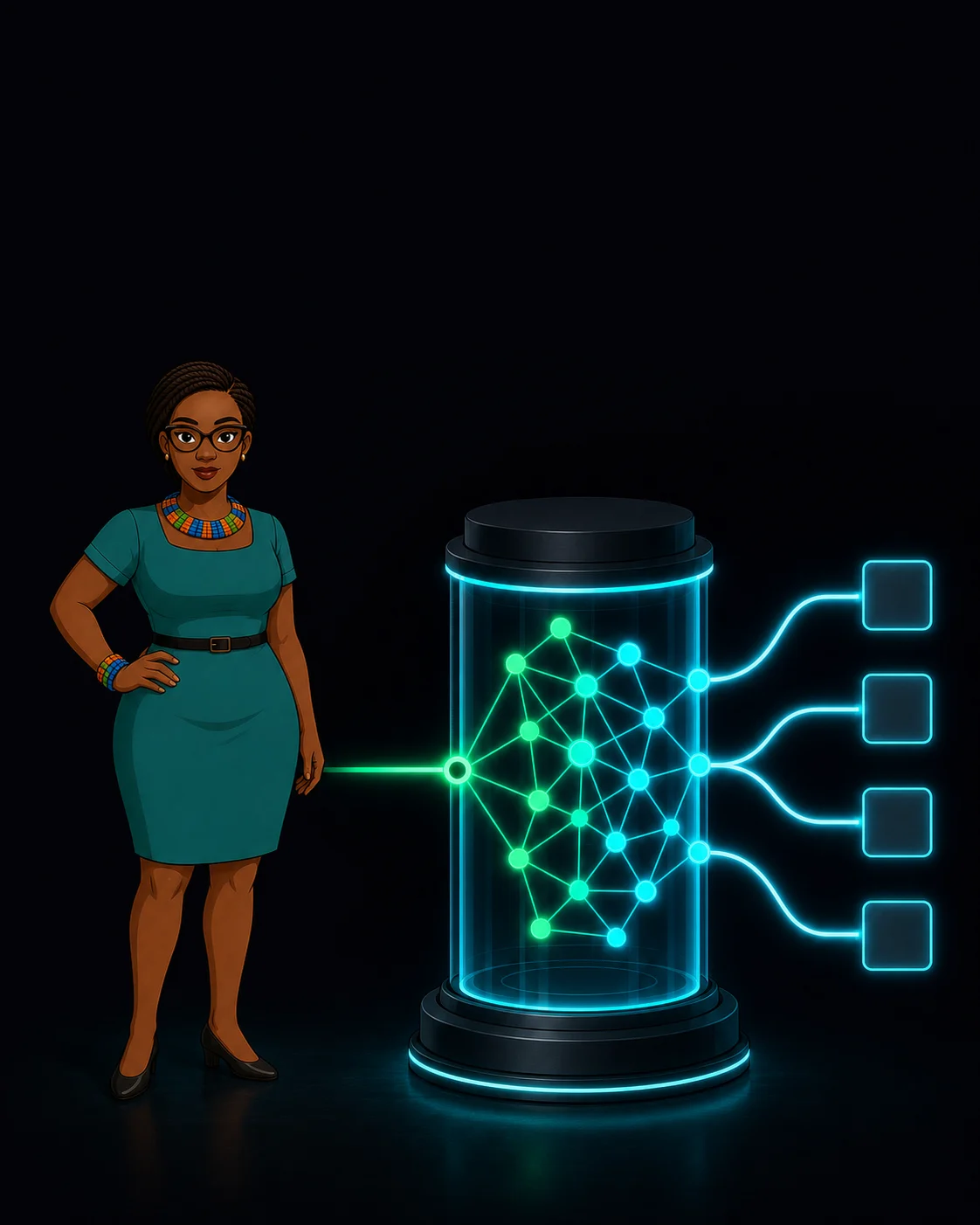
Workday’s hiring software has rejected around 1.1 billion job applications. That number is not a critic’s estimate, it comes from the company’s own court filings in a lawsuit it is fighting right now. Most of those applications were never read by a person. The software turned them down, in the few minutes between hitting submit and refreshing your inbox.
The people who got the no
Derek Mobley started the case. He is over 40, he applied to a long list of jobs that all ran on Workday’s platform, and the rejections came back almost instantly, over and over. He says the screening pushed him out because of his age, his race, and a disability. Four more people joined him, all over 40, telling the same story. This spring a judge let the case move forward as a collective action, so the door is now open for potentially hundreds of millions of rejected applicants to join it.
A single vendor’s software said no to more people than live in all of North and South America. The question a court is finally asking is whether some of those no’s broke the law.
The vendor wants to be the toolmaker, not the decider
Workday’s defense has been that it just makes the software. The employer decides who to hire, so the employer should answer for the outcome. The court has not been buying that cleanly. Earlier this year the judge let the age-discrimination claims proceed under federal law, and signaled that a company building the screen might not get to stand off to the side when the screen is what did the sorting.
That distinction matters for everyone building with AI, me included. If you build the thing that makes the decision, you may own a piece of the decision. You cannot hand someone an automated gate, watch it reject a billion people, and call yourself a neutral party.
Speed is the whole selling point of these systems, and speed is also what makes them impossible to argue with.
Workday is not the only name in this. Eightfold AI got hit with a class action in January over its hiring platform, with applicants arguing the tool was functioning like a credit-reporting agency without following any of the rules that come with that. Different company, same shape. The machine sorts people, and the people being sorted have almost no way to see how or why.
The rules meant to catch this keep collapsing
While these cases grind forward, the laws meant to govern this kind of tool are falling apart at the same time.
Colorado passed the most serious one in the country in 2024. It would have forced employers using high-risk AI to run impact assessments, document how they watch for algorithmic discrimination, and tell candidates when AI shaped a decision about them. It was set to take effect June 30, this coming week. It will not. A federal court froze it in April, and in May the governor signed a replacement bill that repealed the original and pushed a watered-down version out to 2027, and that one is already being challenged too.
So the flagship protection that was days away from going live is gone, replaced by something weaker that may never survive its own court fight. The tools kept screening the whole time. The rules are the part that keeps breaking.
Where I land on it
I build with these systems every day, and I have applied for jobs through them too, Workday included, so I am not coming at this from the outside. The same automation that lets me put a web app together in an afternoon is the thing screening a billion people out of work, at a scale no hiring manager could match and answering to almost no one.
I am not against the tools. I build with AI every day. But everything I build keeps a person in the loop, because a model does not reason, it pattern-matches, and some decisions are too consequential to hand to pattern-matching on its own. Hiring is one of them. People keep comparing AI screening to a biased human recruiter, and that comparison lets these systems off the hook. A recruiter can be wrong and still look twice, ask one question, pull someone into an interview on a hunch the keywords would have killed. The AI screen does none of that. It cuts everyone out at once, before a person with any judgment ever sees the name.
I do not have a tidy landing for this. The Workday case could set a precedent or settle quietly and change nothing, and either way the screening keeps running. What I want is not radical. Put a person back in the loop before a tool decides someone does not make the cut. For 1.1 billion applications, no one was there.
Forward → Upward ↑ Onward ↗︎
Mstimaj
Sources and Further Reading
- HR Executive, Mobley v. Workday: the latest on the bias-in-AI lawsuit.
- Computerworld, Judge signals AI recruitment tool vendors may not escape liability.
- HRMorning, AI hiring discrimination: new ruling in the Workday lawsuit.
- The Employer Report, AI regulation on hold in Colorado but employer risk isn’t.
- Workforce Bulletin, Inside Colorado’s Senate Bill 26-189.
- AI Business, AI lawsuits in 2026: settlements, licensing deals, litigation.
Comments
No comments yet. Yours can be the first.